If you are moving to Florida from another state, one of the first things you might notice is that homes often lack two common features found elsewhere – full attics and basements. While this may seem unusual to people from the Northeast or Midwest, there are very specific and interesting reasons why these architectural elements are rare in the Sunshine State. Here are some fun and practical facts that explain why.
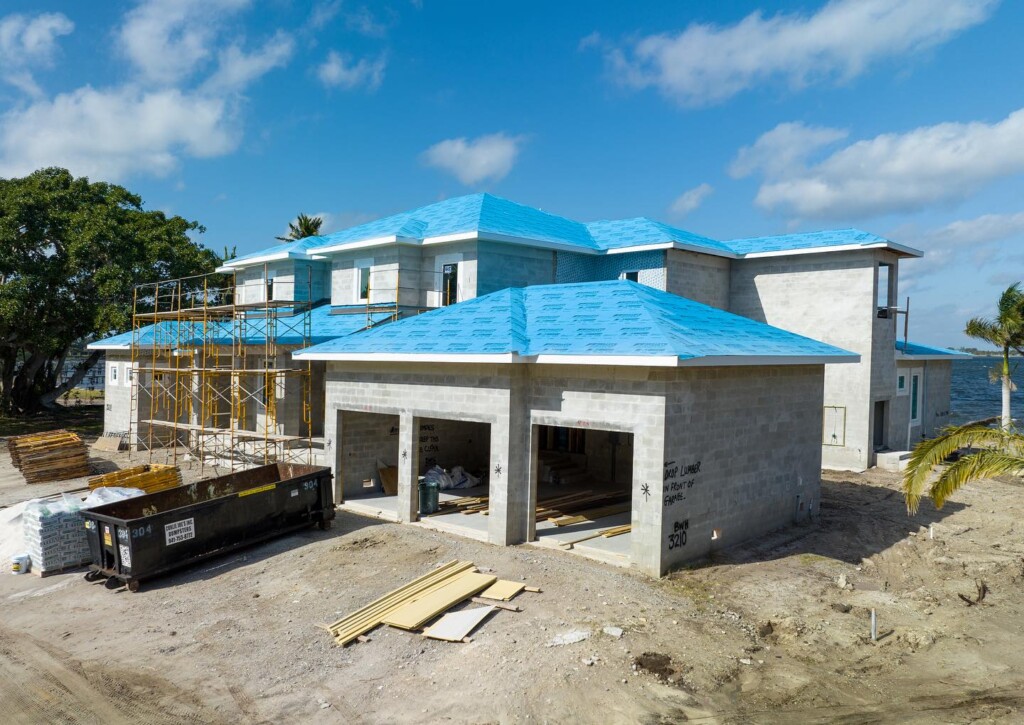
- Florida Is Basically at Sea Level: One of the biggest reasons Florida homes don’t have basements is simple: water. Florida is a low-lying, flat state, with much of it sitting just a few feet above sea level. In areas like Miami or Tampa, the water table (the level at which the ground becomes saturated with water) is often only a few feet below the surface. Digging a basement in such conditions is not only impractical—it’s risky. As soon as you dig a few feet down, you’ll likely hit groundwater. Building a basement in that kind of environment would require costly waterproofing, pumps, and reinforced construction to prevent flooding. For most builders and homeowners, it’s just not worth the expense or the headache.
- High Water Table = Flooding Risk: A high water table doesn’t just make basement construction difficult—it makes it dangerous. Even if a basement is successfully built, it’s at constant risk of water seepage, mold and mildew growth, or foundation damage during heavy rains or hurricanes. Florida is no stranger to intense storms and downpours, and flooding is a frequent concern. A basement can quickly turn into a swimming pool if it’s not perfectly sealed. That’s why most Floridians skip basements altogether and opt for single-story living or build upward.
- You May Have an Attic—But Not Like Up North: Florida homes do have attics—but they’re not the large, walk-in, fully finished kind often found in northern homes. Instead, most Florida attics are small, unfinished spaces that are mainly used for housing air conditioning systems or insulation. These spaces are typically poorly ventilated and extremely hot in the summer. Because of the state’s subtropical climate, attic temperatures can soar above 140°F (60°C) during the warmer months. This makes the attic a poor candidate for storage—especially for anything that’s heat-sensitive, like electronics, photos, or holiday decorations. As a result, Floridians tend to use garages or closets for storage instead.
- Building Codes and Cost Efficiency Matter: Florida building codes are heavily influenced by hurricane safety and moisture control. Elevating homes and using concrete slabs is often preferred over full foundations with basements. Slab-on-grade construction (where the home is built on a concrete slab) is more stable in wet conditions. Additionally, because Florida’s ground is made up of sandy soil and limestone, it doesn’t provide the same kind of structural support as the clay or rockier soils found in northern states. Digging into that kind of ground is more likely to cause settling or structural issues—making basements less viable from an engineering perspective.
- No Need for Deep Frost Protection: In colder states, basements often serve a dual purpose: extra living space and frost protection. Because frost lines can run deep, builders in the north dig below the frost line to prevent foundation damage from freezing and thawing cycles. This naturally creates space for basements. But in Florida, frost is virtually non-existent. The frost line is so shallow (often only a few inches) that there’s no need to build deep foundations. That means no inherent reason to dig down—so builders don’t.
Bruce Williams Homes Understands Florida Home Design
The next time you notice the lack of a basement or a tiny attic in a Florida home, just remember: it’s not a design oversight—it’s smart, region-specific architecture tailored to the environment.
If you are planning to build a new custom home in Florida, bring your ideas and your questions to the professionals at Bruce Williams Homes. With six decades of experience on the Gulf Coast, we can help you to build your ideal Florida home.
If you are moving to Florida from another state, one of the first things you might notice is that homes often lack two common features found elsewhere – full attics and basements. While this may seem unusual to people from the Northeast or Midwest, there are very specific and interesting reasons why these architectural elements are rare in the Sunshine State. Here are some fun and practical facts that explain why.
- Florida Is Basically at Sea Level: One of the biggest reasons Florida homes don’t have basements is simple: water. Florida is a low-lying, flat state, with much of it sitting just a few feet above sea level. In areas like Miami or Tampa, the water table (the level at which the ground becomes saturated with water) is often only a few feet below the surface. Digging a basement in such conditions is not only impractical—it’s risky. As soon as you dig a few feet down, you’ll likely hit groundwater. Building a basement in that kind of environment would require costly waterproofing, pumps, and reinforced construction to prevent flooding. For most builders and homeowners, it’s just not worth the expense or the headache.
- High Water Table = Flooding Risk: A high water table doesn’t just make basement construction difficult—it makes it dangerous. Even if a basement is successfully built, it’s at constant risk of water seepage, mold and mildew growth, or foundation damage during heavy rains or hurricanes. Florida is no stranger to intense storms and downpours, and flooding is a frequent concern. A basement can quickly turn into a swimming pool if it’s not perfectly sealed. That’s why most Floridians skip basements altogether and opt for single-story living or build upward.
- You May Have an Attic—But Not Like Up North: Florida homes do have attics—but they’re not the large, walk-in, fully finished kind often found in northern homes. Instead, most Florida attics are small, unfinished spaces that are mainly used for housing air conditioning systems or insulation. These spaces are typically poorly ventilated and extremely hot in the summer. Because of the state’s subtropical climate, attic temperatures can soar above 140°F (60°C) during the warmer months. This makes the attic a poor candidate for storage—especially for anything that’s heat-sensitive, like electronics, photos, or holiday decorations. As a result, Floridians tend to use garages or closets for storage instead.
- Building Codes and Cost Efficiency Matter: Florida building codes are heavily influenced by hurricane safety and moisture control. Elevating homes and using concrete slabs is often preferred over full foundations with basements. Slab-on-grade construction (where the home is built on a concrete slab) is more stable in wet conditions. Additionally, because Florida’s ground is made up of sandy soil and limestone, it doesn’t provide the same kind of structural support as the clay or rockier soils found in northern states. Digging into that kind of ground is more likely to cause settling or structural issues—making basements less viable from an engineering perspective.
- No Need for Deep Frost Protection: In colder states, basements often serve a dual purpose: extra living space and frost protection. Because frost lines can run deep, builders in the north dig below the frost line to prevent foundation damage from freezing and thawing cycles. This naturally creates space for basements. But in Florida, frost is virtually non-existent. The frost line is so shallow (often only a few inches) that there’s no need to build deep foundations. That means no inherent reason to dig down—so builders don’t.
Bruce Williams Homes Understands Florida Home Design
The next time you notice the lack of a basement or a tiny attic in a Florida home, just remember: it’s not a design oversight—it’s smart, region-specific architecture tailored to the environment.
If you are planning to build a new custom home in Florida, bring your ideas and your questions to the professionals at Bruce Williams Homes. With six decades of experience on the Gulf Coast, we can help you to build your ideal Florida home.