The driveway is the first detail that visitors encounter when they arrive at your home. And while a driveway may not be glamorous, you can make it a strong aspect of your curb appeal. Pavers are a popular choice in Florida, known for their stylish appearance and long-lasting performance. But are they really the best fit for your home and climate? This article will explore the pros and cons of paver driveways in Florida, so that you can make an informed decision before you build your new home.
Pros of Paver Driveways in Florida
Superior Durability and Flexibility: Unlike concrete slabs, pavers are individual units installed over a compacted base. This allows them to flex slightly with ground movement – which is ideal for Florida’s sandy soil and occasional settling. They’re also less prone to cracking from ground shifts or tree roots.
Great for Drainage: Florida’s frequent rain and tropical storms make proper drainage essential. Paver driveways, especially permeable pavers, allow rainwater to drain through the joints and into the ground below, reducing puddling, erosion, and runoff.
Cooler Surface in the Heat: In Florida’s intense sun, concrete and asphalt can get extremely hot. Pavers—particularly lighter-colored or textured varieties—tend to reflect heat better and cool down faster, making your driveway more comfortable to walk on barefoot.
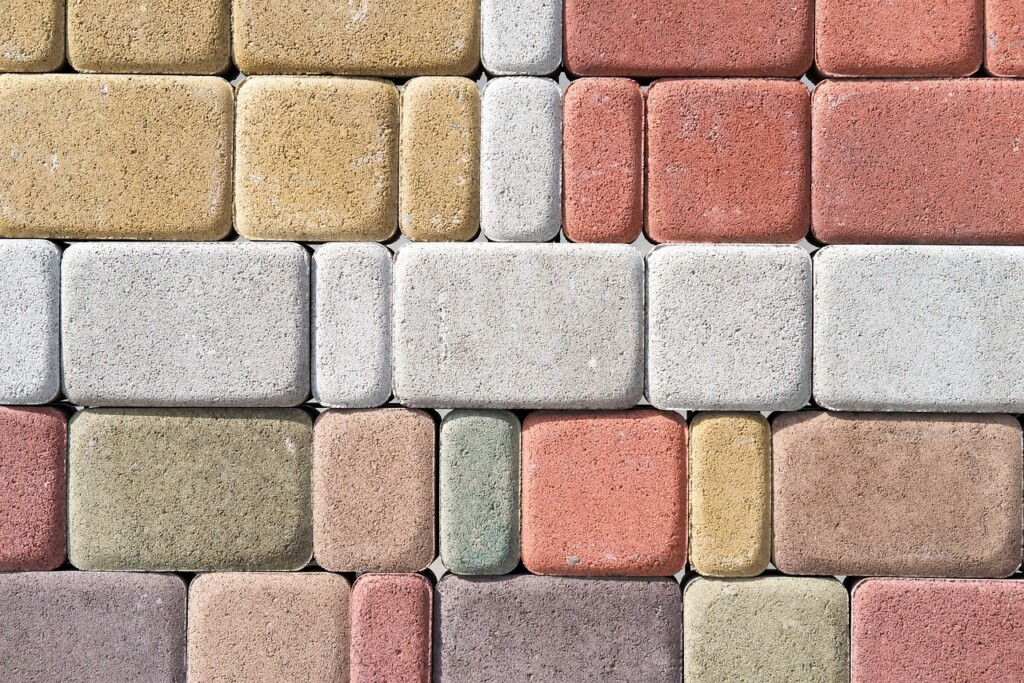
Stunning Aesthetics: One of the biggest draws of pavers is their design versatility. You can choose from a wide variety of colors, shapes, textures, and patterns. This allows you to create a driveway that complements the home’s architecture and landscaping.
Easy Repairs: If a section of your driveway becomes chipped or damaged, you can replace just that paver instead of tearing out the entire surface. That makes maintenance more affordable over time.
Weather Resistance: Florida’s hurricanes and heavy rains can wreak havoc on traditional driveways, but pavers perform well in harsh weather conditions. Their segmented design can accommodate movement and pressure more effectively.
Challenges of Paver Driveways in Florida
Higher Initial Cost: Paver driveways are generally more expensive than concrete or asphalt driveways.
More Complex Installation: For a paver driveway to perform well, the installation must be done properly—with attention to grading, compaction, edge restraints, and joint sand.
Ongoing Maintenance: While repairs are easier, pavers do require regular maintenance. You’ll need to sweep, clean, and occasionally re-sand the joints to prevent weed growth and shifting. Florida’s humidity also means you might have to deal with mold, algae, or moss.
Color Fading from UV Exposure: Florida’s strong sun can fade the color of some pavers over time—especially if they’re not sealed or made from lower-quality materials.
Weed and Moss Growth: If joint sand washes out or the driveway is in a shady, moist area, weeds or moss can grow between the pavers. Proper sealing and regular upkeep are necessary.
Are Pavers Worth It in Florida?
If you’re looking for a durable, attractive, and weather-resilient driveway, pavers are an excellent option.
From landscape lighting to the choice of driveway, your curb appeal is an important part of your custom home’s aesthetics. At Bruce Williams Homes, we ensure that every step of your new home build is done professionally and to your specifications. With over 60 years experience and hundreds of satisfied clients, you can trust our team to make your vision come to life.
The driveway is the first detail that visitors encounter when they arrive at your home. And while a driveway may not be glamorous, you can make it a strong aspect of your curb appeal. Pavers are a popular choice in Florida, known for their stylish appearance and long-lasting performance. But are they really the best fit for your home and climate? This article will explore the pros and cons of paver driveways in Florida, so that you can make an informed decision before you build your new home.
Pros of Paver Driveways in Florida
Superior Durability and Flexibility: Unlike concrete slabs, pavers are individual units installed over a compacted base. This allows them to flex slightly with ground movement – which is ideal for Florida’s sandy soil and occasional settling. They’re also less prone to cracking from ground shifts or tree roots.
Great for Drainage: Florida’s frequent rain and tropical storms make proper drainage essential. Paver driveways, especially permeable pavers, allow rainwater to drain through the joints and into the ground below, reducing puddling, erosion, and runoff.
Cooler Surface in the Heat: In Florida’s intense sun, concrete and asphalt can get extremely hot. Pavers—particularly lighter-colored or textured varieties—tend to reflect heat better and cool down faster, making your driveway more comfortable to walk on barefoot.
Stunning Aesthetics: One of the biggest draws of pavers is their design versatility. You can choose from a wide variety of colors, shapes, textures, and patterns. This allows you to create a driveway that complements the home’s architecture and landscaping.
Easy Repairs: If a section of your driveway becomes chipped or damaged, you can replace just that paver instead of tearing out the entire surface. That makes maintenance more affordable over time.
Weather Resistance: Florida’s hurricanes and heavy rains can wreak havoc on traditional driveways, but pavers perform well in harsh weather conditions. Their segmented design can accommodate movement and pressure more effectively.
Challenges of Paver Driveways in Florida
Higher Initial Cost: Paver driveways are generally more expensive than concrete or asphalt driveways.
More Complex Installation: For a paver driveway to perform well, the installation must be done properly—with attention to grading, compaction, edge restraints, and joint sand.
Ongoing Maintenance: While repairs are easier, pavers do require regular maintenance. You’ll need to sweep, clean, and occasionally re-sand the joints to prevent weed growth and shifting. Florida’s humidity also means you might have to deal with mold, algae, or moss.
Color Fading from UV Exposure: Florida’s strong sun can fade the color of some pavers over time—especially if they’re not sealed or made from lower-quality materials.
Weed and Moss Growth: If joint sand washes out or the driveway is in a shady, moist area, weeds or moss can grow between the pavers. Proper sealing and regular upkeep are necessary.
Are Pavers Worth It in Florida?
If you’re looking for a durable, attractive, and weather-resilient driveway, pavers are an excellent option.
From landscape lighting to the choice of driveway, your curb appeal is an important part of your custom home’s aesthetics. At Bruce Williams Homes, we ensure that every step of your new home build is done professionally and to your specifications. With over 60 years experience and hundreds of satisfied clients, you can trust our team to make your vision come to life.