Building a custom home is one of the most exciting — and expensive — projects many people will ever take on. The appeal is obvious: you get to design every detail, from the layout and number of rooms to the finishes and features. But with so many choices, it’s easy for costs to spiral out of control. That’s why one of the biggest challenges in custom homebuilding isn’t just design — it’s discipline.
Balancing what you want versus what you need is key to staying within your budget and building a home that works for your lifestyle without creating long-term financial strain. Here’s how to make thoughtful, budget-smart decisions while still creating your dream space.
Design Decisions: Start with Your “Must-Haves”
Begin by listing out your non-negotiables — the features that are essential to your family’s day-to-day life. These are the elements your home must include for it to function properly. This list might include:
- A certain number of bedrooms (for kids, guests, or aging parents)
- A home office (if you work remotely)
- An open-concept kitchen and living space
- A single-story layout for accessibility
- Energy-efficient systems to save on long-term utility costs
These needs form the core of your design and should take priority in your budget allocation.
Be Honest About What You Can Live Without
Next, look at your wants — the features that would be nice to have, but aren’t strictly necessary. For example:
- A 6-bedroom house when you only need 3
- A three-car garage when two would suffice
- High-end marble countertops throughout the house
- A pool or outdoor kitchen
It’s okay to dream big — this is your custom home, after all — but be realistic about which items you’re willing to let go of if costs start to climb. Would you rather have a top-of-the-line kitchen, or a bigger guest room? A home theater, or more square footage in your master suite?
Make Creative Trade-Offs / Design Decisions
A smart way to stay within budget is by making intentional trade-offs.
Maybe you want a three-car garage, but you need a room for your hobbies. Sacrificing that third garage bay in favor of a gym or workshop could give you more enjoyment and functionality. You’re still getting something special — just in a way that better aligns with your lifestyle.
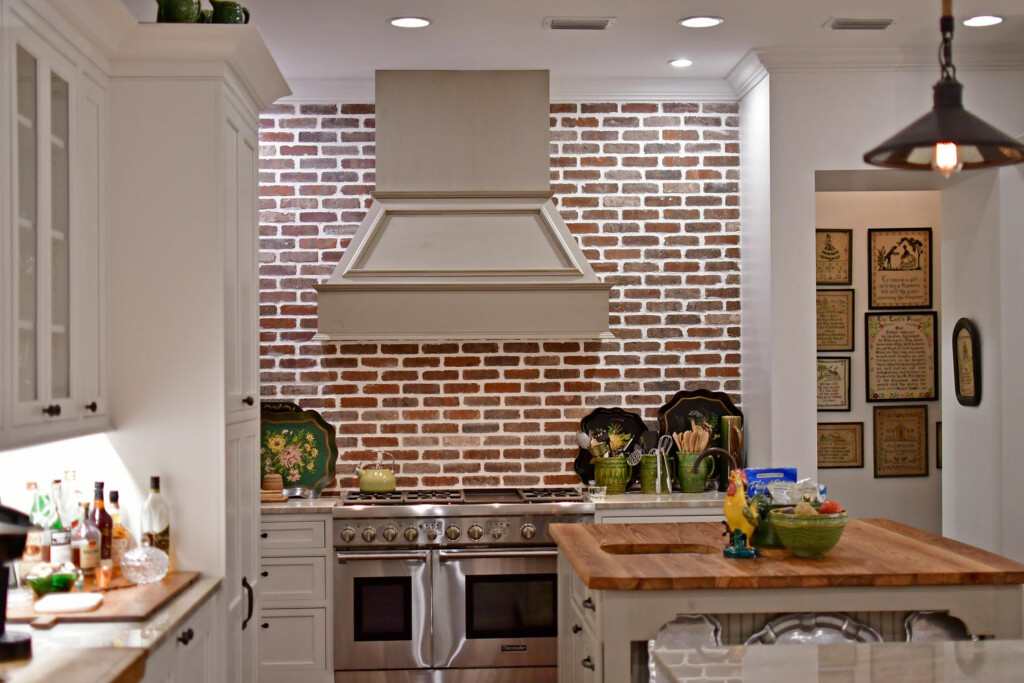
If you love the look of luxury finishes but the budget won’t allow it, use them in high-impact areas. Spend what you need to for a gorgeous kitchen countertop – but use more affordable materials in secondary bathrooms.
Keep Future Costs in Mind
Sometimes, staying in budget means thinking long-term. A giant home may seem appealing – but more square footage translates to higher heating and cooling bills, more furniture, and more maintenance over time. Before adding extra rooms or features, ask yourself:
- Will we actually use this space regularly?
- Is this addition worth the upfront and ongoing cost?
- Could we add this later when we have more budget flexibility?
- A flexible floor plan that allows for future expansion can be a smart compromise.
Work Closely With Your Builder and Designer
Your custom builder is a key ally in helping you stay within budget. Share your priorities clearly and early. Ask them for suggestions on how to achieve a similar look or function with lower-cost alternatives.
A good builder will help guide you through cost-saving options — such as pre-fab cabinets instead of custom, or vinyl plank flooring instead of hardwood — without sacrificing overall quality.
Building a custom home is all about balance. It’s easy to fall in love with luxury model homes – but the key to success is making intentional design decisions that reflect your lifestyle. The team at Bruce William Homes has over 6 decades of experience helping homeowners make the best possible decisions for their build. Call us today to learn more.
Building a custom home is one of the most exciting — and expensive — projects many people will ever take on. The appeal is obvious: you get to design every detail, from the layout and number of rooms to the finishes and features. But with so many choices, it’s easy for costs to spiral out of control. That’s why one of the biggest challenges in custom homebuilding isn’t just design — it’s discipline.
Balancing what you want versus what you need is key to staying within your budget and building a home that works for your lifestyle without creating long-term financial strain. Here’s how to make thoughtful, budget-smart decisions while still creating your dream space.
Design Decisions: Start with Your “Must-Haves”
Begin by listing out your non-negotiables — the features that are essential to your family’s day-to-day life. These are the elements your home must include for it to function properly. This list might include:
- A certain number of bedrooms (for kids, guests, or aging parents)
- A home office (if you work remotely)
- An open-concept kitchen and living space
- A single-story layout for accessibility
- Energy-efficient systems to save on long-term utility costs
These needs form the core of your design and should take priority in your budget allocation.
Be Honest About What You Can Live Without
Next, look at your wants — the features that would be nice to have, but aren’t strictly necessary. For example:
- A 6-bedroom house when you only need 3
- A three-car garage when two would suffice
- High-end marble countertops throughout the house
- A pool or outdoor kitchen
It’s okay to dream big — this is your custom home, after all — but be realistic about which items you’re willing to let go of if costs start to climb. Would you rather have a top-of-the-line kitchen, or a bigger guest room? A home theater, or more square footage in your master suite?
Make Creative Trade-Offs / Design Decisions
A smart way to stay within budget is by making intentional trade-offs.
Maybe you want a three-car garage, but you need a room for your hobbies. Sacrificing that third garage bay in favor of a gym or workshop could give you more enjoyment and functionality. You’re still getting something special — just in a way that better aligns with your lifestyle.
If you love the look of luxury finishes but the budget won’t allow it, use them in high-impact areas. Spend what you need to for a gorgeous kitchen countertop – but use more affordable materials in secondary bathrooms.
Keep Future Costs in Mind
Sometimes, staying in budget means thinking long-term. A giant home may seem appealing – but more square footage translates to higher heating and cooling bills, more furniture, and more maintenance over time. Before adding extra rooms or features, ask yourself:
- Will we actually use this space regularly?
- Is this addition worth the upfront and ongoing cost?
- Could we add this later when we have more budget flexibility?
- A flexible floor plan that allows for future expansion can be a smart compromise.
Work Closely With Your Builder and Designer
Your custom builder is a key ally in helping you stay within budget. Share your priorities clearly and early. Ask them for suggestions on how to achieve a similar look or function with lower-cost alternatives.
A good builder will help guide you through cost-saving options — such as pre-fab cabinets instead of custom, or vinyl plank flooring instead of hardwood — without sacrificing overall quality.
Building a custom home is all about balance. It’s easy to fall in love with luxury model homes – but the key to success is making intentional design decisions that reflect your lifestyle. The team at Bruce William Homes has over 6 decades of experience helping homeowners make the best possible decisions for their build. Call us today to learn more.