Building a custom home is the ultimate real estate dream — a space created from the ground up to reflect your lifestyle and taste. But dreams come with price tags, and before you fall in love with a floorplan or a view, it’s critical to ask: Do I actually have the budget to build the custom home I envision?
This isn’t just about the dollar amount you think you can spend. It’s about understanding what goes into that number, what trade-offs you may face, and how to protect yourself from costly surprises. Here’s how to break it down.
Start With the Total Picture — Not Just the House
When people talk about building a custom home, their focus usually lands on the house itself: square footage, finishes, layout. But a realistic budget starts before the home is even designed. The cost of your land, site work (clearing, grading, drainage), permitting, and utility connections can consume a significant chunk of your budget — and varies widely depending on location.
For example, building on a flat, cleared lot in a developed community will be far less expensive than developing raw land in a rural or waterfront area. In Florida, soil conditions, flood zones, and hurricane building codes can all affect both the cost and complexity. You need to understand your site before you can accurately estimate the cost to build on it.
Know What You Want — and What It Costs
Before meeting with an architect or builder, spend time thinking honestly about the kind of home you want. Are you envisioning a sprawling one-story estate with luxury finishes and custom millwork? Or a more compact, efficient home with smart design features and sustainable materials?
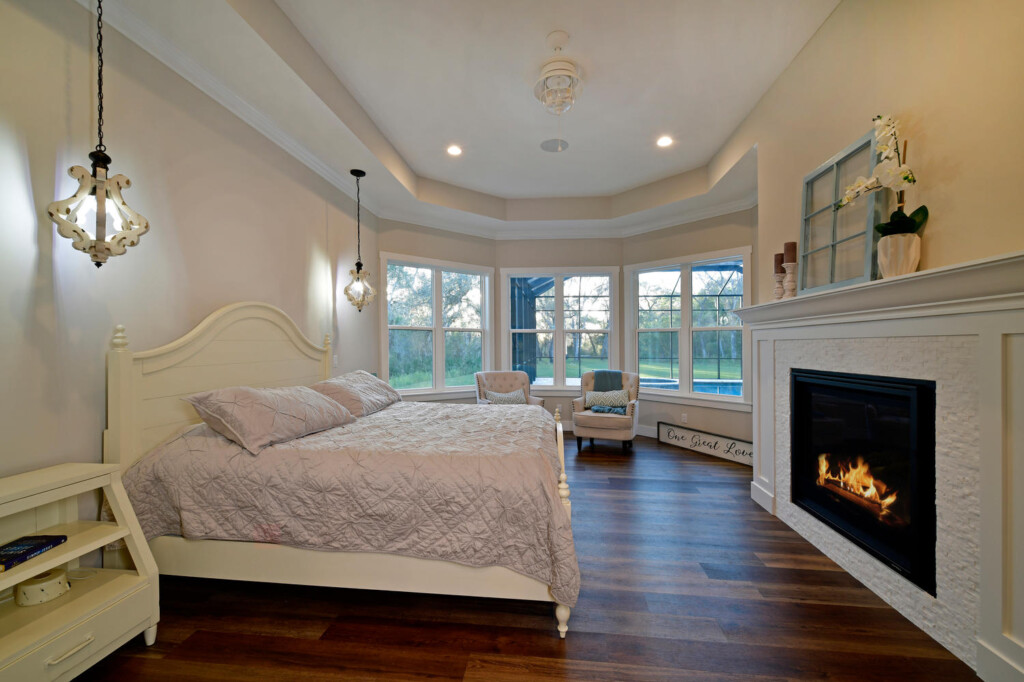
Everything — from square footage and ceiling height to flooring and lighting — impacts cost. Building custom means you choose everything – and the price of those choices adds up quickly. Cabinets, countertops, appliances, windows, trim details, and outdoor living spaces are often areas where costs can swing dramatically.
The more specific you are early in the process, the more accurately your builder or designer can help you price out your dream home — and the fewer surprises you’ll face later.
Include a Budget Contingency Buffer
Construction is inherently unpredictable. Materials can fluctuate in cost. Labor shortages can delay timelines. You might change your mind about a finish or discover a site issue that needs to be resolved mid-build. A smart budget includes a contingency fund — typically 10–15% of your total project cost — to cover these surprises. If you don’t use it, great. But if you skip it and something goes wrong, you could find yourself cutting corners or stalling your project to stay afloat financially.
Consider How Financing Realities Affect Your Budget
Unless you’re paying cash, you’ll likely be using a construction-to-permanent loan. These loans are disbursed in phases as the build progresses – and lenders require detailed budgets, contractor bids, and sometimes higher credit standards. Meet with a lender early to understand how much you qualify for and how that aligns with your vision. Keep in mind that in this scenario, monthly payments will begin before you move in.
Be Honest About What You Can Live Without
If you find that your dream home exceeds your budget, the key is to scale intelligently. You may choose to simplify the roofline or reduce square footage – but what you shouldn’t do is try to “cheap out” on the structure or core systems. Those are areas where quality matters most, and cutting corners there can cost you in the long run.
The custom home of your dreams is possible — but remember, a beautiful home isn’t just one that looks great. It’s one that you can afford to live in and maintain for years to come. If you have determined a budget and want expert advice on how to construct your dream home within it, call Bruce Williams Homes. Our team has been helping people build their vision for over 60 years.
Building a custom home is the ultimate real estate dream — a space created from the ground up to reflect your lifestyle and taste. But dreams come with price tags, and before you fall in love with a floorplan or a view, it’s critical to ask: Do I actually have the budget to build the custom home I envision?
This isn’t just about the dollar amount you think you can spend. It’s about understanding what goes into that number, what trade-offs you may face, and how to protect yourself from costly surprises. Here’s how to break it down.
Start With the Total Picture — Not Just the House
When people talk about building a custom home, their focus usually lands on the house itself: square footage, finishes, layout. But a realistic budget starts before the home is even designed. The cost of your land, site work (clearing, grading, drainage), permitting, and utility connections can consume a significant chunk of your budget — and varies widely depending on location.
For example, building on a flat, cleared lot in a developed community will be far less expensive than developing raw land in a rural or waterfront area. In Florida, soil conditions, flood zones, and hurricane building codes can all affect both the cost and complexity. You need to understand your site before you can accurately estimate the cost to build on it.
Know What You Want — and What It Costs
Before meeting with an architect or builder, spend time thinking honestly about the kind of home you want. Are you envisioning a sprawling one-story estate with luxury finishes and custom millwork? Or a more compact, efficient home with smart design features and sustainable materials?
Everything — from square footage and ceiling height to flooring and lighting — impacts cost. Building custom means you choose everything – and the price of those choices adds up quickly. Cabinets, countertops, appliances, windows, trim details, and outdoor living spaces are often areas where costs can swing dramatically.
The more specific you are early in the process, the more accurately your builder or designer can help you price out your dream home — and the fewer surprises you’ll face later.
Include a Budget Contingency Buffer
Construction is inherently unpredictable. Materials can fluctuate in cost. Labor shortages can delay timelines. You might change your mind about a finish or discover a site issue that needs to be resolved mid-build. A smart budget includes a contingency fund — typically 10–15% of your total project cost — to cover these surprises. If you don’t use it, great. But if you skip it and something goes wrong, you could find yourself cutting corners or stalling your project to stay afloat financially.
Consider How Financing Realities Affect Your Budget
Unless you’re paying cash, you’ll likely be using a construction-to-permanent loan. These loans are disbursed in phases as the build progresses – and lenders require detailed budgets, contractor bids, and sometimes higher credit standards. Meet with a lender early to understand how much you qualify for and how that aligns with your vision. Keep in mind that in this scenario, monthly payments will begin before you move in.
Be Honest About What You Can Live Without
If you find that your dream home exceeds your budget, the key is to scale intelligently. You may choose to simplify the roofline or reduce square footage – but what you shouldn’t do is try to “cheap out” on the structure or core systems. Those are areas where quality matters most, and cutting corners there can cost you in the long run.
The custom home of your dreams is possible — but remember, a beautiful home isn’t just one that looks great. It’s one that you can afford to live in and maintain for years to come. If you have determined a budget and want expert advice on how to construct your dream home within it, call Bruce Williams Homes. Our team has been helping people build their vision for over 60 years.