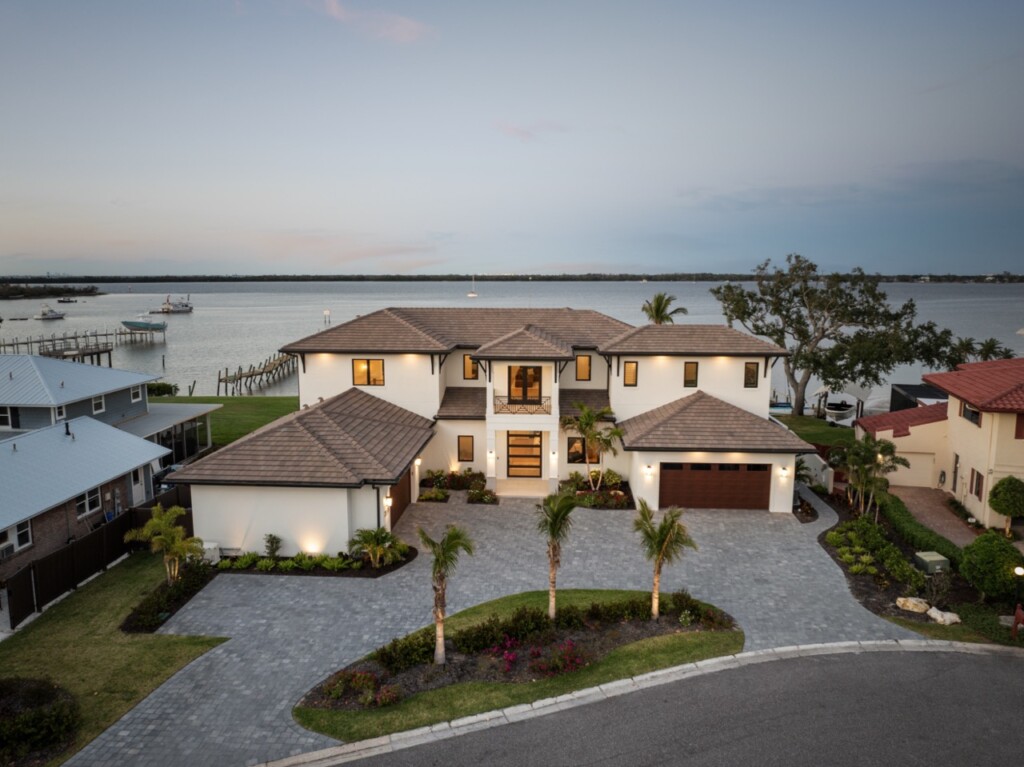
Living on the Florida Gulf Coast means waking every day to stunning views and pleasant breezes – a lifestyle that encourages year-round outdoor living. But building a home in this region also comes with unique challenges—especially salt air, humidity, and coastal storms.
Building resilient, long-lasting custom homes designed for Florida’s unique climate conditions means using construction methods and materials that protect against salt corrosion, moisture intrusion, and wind damage—without compromising on luxury or style.
If you’re planning to build a home near the water, here’s what you need to know about protecting your investment from the harsh realities of salt air.
The Hidden Threat of Salt Air
Salt air contains tiny salt particles that are carried inland by coastal winds. These particles may not seem damaging, but over time, they can wreak havoc on your home. The effects are often invisible at first – but can lead to significant deterioration if not addressed during the design and build phases. For instance, these particles can:
- accelerate rust and corrosion on metal fixtures, hardware, fasteners, and structural components
- break down protective coatings on windows, doors, and exterior finishes
- promote mold and mildew growth in moist, poorly ventilated areas
These effects are often invisible at first – but can lead to significant deterioration if not addressed during the design and build phases.
Choosing the Right Exterior Materials
The first line of defense is selecting materials specifically rated for coastal durability, such as:
Fiber Cement Siding: Unlike wood, fiber cement won’t rot, warp, or absorb salt. It also holds paint longer and resists pests.
Stainless Steel or Powder-Coated Fasteners: These prevent rust in roofing, decks, and framing connections.
Impact-Rated Aluminum or Vinyl Windows and Doors: Choose corrosion-resistant frames and hardware built for high humidity and hurricane conditions.
Concrete or Masonry Block Construction: For structural strength and resistance to water and salt infiltration.
Standing Seam Metal Roofing (with coastal-grade coating): Metal roofs reflect heat, resist wind, and can last 40–50+ years with proper maintenance. Marine-grade finishes and paints that are specially formulated to stand up to UV and salt exposure are also often recommended by regional builders.
Moisture and Ventilation Management
Salt air is not just salty—it’s humid. High humidity can lead to interior moisture problems, so proper ventilation is essential.
Vapor Barriers and Sealants: Installed at critical transition points to prevent salt-laden moisture from seeping into walls or flooring.
Insulated and Sealed Attics/Crawlspaces: Helps reduce condensation and the risk of mold growth.
Dehumidification Systems: Whole-home systems are ideal for Gulf Coast homes to maintain air quality and protect finishes.
Gutters and Drainage: Proper flashing and site drainage are also essential when directing moisture away from the home’s foundation.
Coastal-Grade Fixtures and Finishes
Even small components can suffer from salt air damage. That’s why professional builders may recommend choices that help prevent frequent replacements or repairs.
- Stainless steel or powder-coated exterior lighting fixtures
- Weather-resistant door hardware and hinges
- Composite decking and railing systems
- Tile or stone patios instead of wood (to minimize maintenance)
Proactive Maintenance: Even the highest quality coastal home needs ongoing care. Homeowners should rinse exterior surfaces (including windows and metal features) periodically with fresh water; inspect caulking, flashing, and finishes annually; and service HVAC and ventilation systems regularly.
Build Smarter on the Gulf Coast
The team at Bruce Williams Homes has been building custom homes across Florida’s Gulf Coast, including Sarasota, Manatee, Charlotte, and Pinellas counties for over six decades. We understand the environmental pressures your home will face, and we bring a wealth of experience to every project.
Choose Bruce Williams for a high-end custom home that is built to last in Florida’s beautiful but sometimes harsh coastal climate.
Living on the Florida Gulf Coast means waking every day to stunning views and pleasant breezes – a lifestyle that encourages year-round outdoor living. But building a home in this region also comes with unique challenges—especially salt air, humidity, and coastal storms.
Building resilient, long-lasting custom homes designed for Florida’s unique climate conditions means using construction methods and materials that protect against salt corrosion, moisture intrusion, and wind damage—without compromising on luxury or style.
If you’re planning to build a home near the water, here’s what you need to know about protecting your investment from the harsh realities of salt air.
The Hidden Threat of Salt Air
Salt air contains tiny salt particles that are carried inland by coastal winds. These particles may not seem damaging, but over time, they can wreak havoc on your home. The effects are often invisible at first – but can lead to significant deterioration if not addressed during the design and build phases. For instance, these particles can:
- accelerate rust and corrosion on metal fixtures, hardware, fasteners, and structural components
- break down protective coatings on windows, doors, and exterior finishes
- promote mold and mildew growth in moist, poorly ventilated areas
These effects are often invisible at first – but can lead to significant deterioration if not addressed during the design and build phases.
Choosing the Right Exterior Materials
The first line of defense is selecting materials specifically rated for coastal durability, such as:
Fiber Cement Siding: Unlike wood, fiber cement won’t rot, warp, or absorb salt. It also holds paint longer and resists pests.
Stainless Steel or Powder-Coated Fasteners: These prevent rust in roofing, decks, and framing connections.
Impact-Rated Aluminum or Vinyl Windows and Doors: Choose corrosion-resistant frames and hardware built for high humidity and hurricane conditions.
Concrete or Masonry Block Construction: For structural strength and resistance to water and salt infiltration.
Standing Seam Metal Roofing (with coastal-grade coating): Metal roofs reflect heat, resist wind, and can last 40–50+ years with proper maintenance. Marine-grade finishes and paints that are specially formulated to stand up to UV and salt exposure are also often recommended by regional builders.
Moisture and Ventilation Management
Salt air is not just salty—it’s humid. High humidity can lead to interior moisture problems, so proper ventilation is essential.
Vapor Barriers and Sealants: Installed at critical transition points to prevent salt-laden moisture from seeping into walls or flooring.
Insulated and Sealed Attics/Crawlspaces: Helps reduce condensation and the risk of mold growth.
Dehumidification Systems: Whole-home systems are ideal for Gulf Coast homes to maintain air quality and protect finishes.
Gutters and Drainage: Proper flashing and site drainage are also essential when directing moisture away from the home’s foundation.
Coastal-Grade Fixtures and Finishes
Even small components can suffer from salt air damage. That’s why professional builders may recommend choices that help prevent frequent replacements or repairs.
- Stainless steel or powder-coated exterior lighting fixtures
- Weather-resistant door hardware and hinges
- Composite decking and railing systems
- Tile or stone patios instead of wood (to minimize maintenance)
Proactive Maintenance: Even the highest quality coastal home needs ongoing care. Homeowners should rinse exterior surfaces (including windows and metal features) periodically with fresh water; inspect caulking, flashing, and finishes annually; and service HVAC and ventilation systems regularly.
Build Smarter on the Gulf Coast
The team at Bruce Williams Homes has been building custom homes across Florida’s Gulf Coast, including Sarasota, Manatee, Charlotte, and Pinellas counties for over six decades. We understand the environmental pressures your home will face, and we bring a wealth of experience to every project.
Choose Bruce Williams for a high-end custom home that is built to last in Florida’s beautiful but sometimes harsh coastal climate.