When building a custom home, a patio – or lanai, as we call it in Florida – is always a top priority. The Sunshine State’s climate encourages outdoor living year-round, and a well-designed porch or patio can add both enjoyment and value to your home. However, there are important considerations homeowners should understand before construction begins—especially regarding square footage calculations, tax implications, permits, and building codes.
Don’t Worry! An experienced local home builder will be happy to provide the information you need.
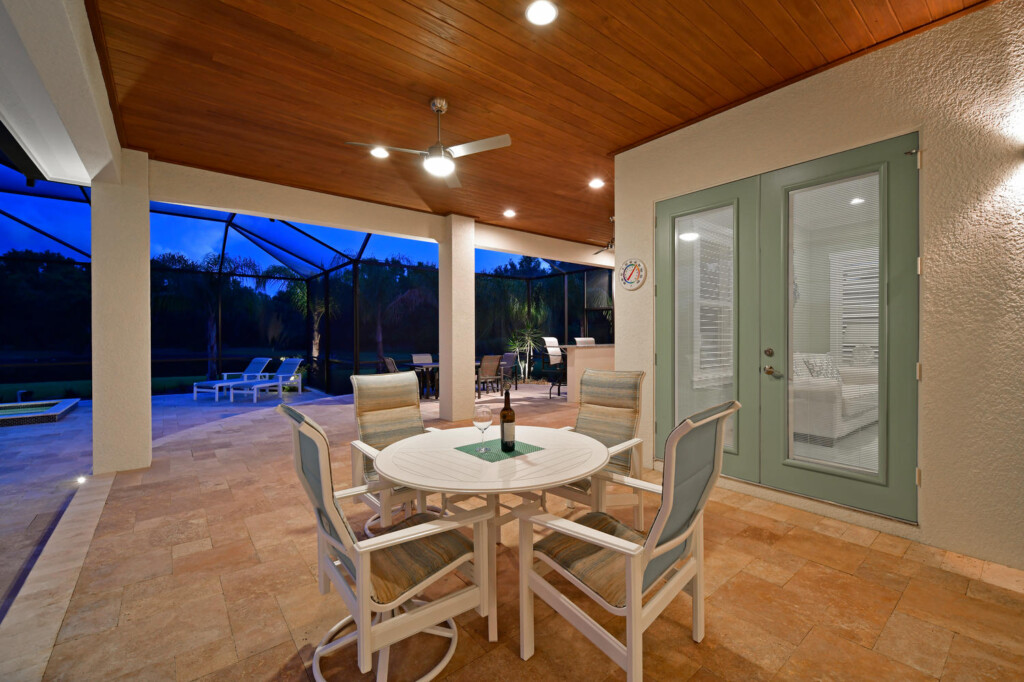
Planning a Back Porch or Patio
The first step in designing a back porch or patio is determining how the space will be used. Will it be an open-air lanai, a covered porch, a screened enclosure, or a fully enclosed living space? Each option comes with different construction requirements, costs, and regulatory considerations. In Florida, outdoor living spaces must also be designed to withstand humidity, heavy rain, and high wind loads associated with hurricanes.
What Counts as “Square Footage” for Tax Purposes?
For property tax purposes in Florida, square footage typically refers to living area “under air”. This term refers to spaces that are fully enclosed, finished, and climate controlled. They are counted as part of the home’s official living square footage.
Open patios, covered porches, screened lanais, and other outdoor spaces are generally not included in the heated/cooled square footage used for tax assessments. However, these areas are still documented separately on property records and can influence the overall assessed value of the home due to their contribution to functionality and appeal.
If a porch or patio is later enclosed and tied into the home’s HVAC system, it may then be reclassified as living space – increasing taxable square footage and potentially property taxes.
Does a Space Have to Be “Under Air” to Count?
In most Florida jurisdictions an area must be “under air” to qualify as living space. Being under air means the space is fully enclosed with permanent walls, a roof, and is served by the home’s HVAC system. Finished garages, enclosed porches, or converted patios may qualify if they meet local building code standards for living areas.
Spaces that are covered but open on one or more sides, or that are screened but not climate-controlled, are considered non-living areas and are not included in official living square footage totals.
Are Back Porches and Patios Required to Be Permitted?
In Florida, most back porches and patios do require permits – especially if they involve structural elements such as foundations, roofs, electrical wiring, or plumbing. Even simple concrete slabs may require permitting, depending on size and local municipality rules. A reputable builder will understand all of the relevant laws depending on where your home will be located.
Permits ensure that construction meets Florida Building Code requirements, including wind load ratings, setbacks, drainage, and safety standards. Failure to obtain proper permits can result in fines, difficulty selling the home, or issues with insurance coverage in the future.
Always work with a licensed building contractor who understands permitting requirements in your area.
Covered Porches vs. Open Lanais: Different Codes Apply
Covered porches and open lanais are often subject to different building code requirements in Florida. A covered porch typically has a solid roof structure attached to the home, which must meet strict wind resistance and structural load standards. Roofing materials, attachment methods, and support posts are all regulated.
An open lanai or patio without a roof generally has fewer structural requirements but must still comply with setback rules, drainage considerations, and surface material standards. Screened enclosures fall somewhere in between and must meet specific code requirements for framing, anchoring, and wind resistance—especially in hurricane-prone zones.
Designing with Value and Compliance in Mind
Are you looking for a partner to build your dream Florida home? Bruce Williams Homes has over 60 years of experience in Manatee and Sarasota County – click here to view our portfolio, and to contact us for more information.
When building a custom home, a patio – or lanai, as we call it in Florida – is always a top priority. The Sunshine State’s climate encourages outdoor living year-round, and a well-designed porch or patio can add both enjoyment and value to your home. However, there are important considerations homeowners should understand before construction begins—especially regarding square footage calculations, tax implications, permits, and building codes.
Don’t Worry! An experienced local home builder will be happy to provide the information you need.
Planning a Back Porch or Patio
The first step in designing a back porch or patio is determining how the space will be used. Will it be an open-air lanai, a covered porch, a screened enclosure, or a fully enclosed living space? Each option comes with different construction requirements, costs, and regulatory considerations. In Florida, outdoor living spaces must also be designed to withstand humidity, heavy rain, and high wind loads associated with hurricanes.
What Counts as “Square Footage” for Tax Purposes?
For property tax purposes in Florida, square footage typically refers to living area “under air”. This term refers to spaces that are fully enclosed, finished, and climate controlled. They are counted as part of the home’s official living square footage.
Open patios, covered porches, screened lanais, and other outdoor spaces are generally not included in the heated/cooled square footage used for tax assessments. However, these areas are still documented separately on property records and can influence the overall assessed value of the home due to their contribution to functionality and appeal.
If a porch or patio is later enclosed and tied into the home’s HVAC system, it may then be reclassified as living space – increasing taxable square footage and potentially property taxes.
Does a Space Have to Be “Under Air” to Count?
In most Florida jurisdictions an area must be “under air” to qualify as living space. Being under air means the space is fully enclosed with permanent walls, a roof, and is served by the home’s HVAC system. Finished garages, enclosed porches, or converted patios may qualify if they meet local building code standards for living areas.
Spaces that are covered but open on one or more sides, or that are screened but not climate-controlled, are considered non-living areas and are not included in official living square footage totals.
Are Back Porches and Patios Required to Be Permitted?
In Florida, most back porches and patios do require permits – especially if they involve structural elements such as foundations, roofs, electrical wiring, or plumbing. Even simple concrete slabs may require permitting, depending on size and local municipality rules. A reputable builder will understand all of the relevant laws depending on where your home will be located.
Permits ensure that construction meets Florida Building Code requirements, including wind load ratings, setbacks, drainage, and safety standards. Failure to obtain proper permits can result in fines, difficulty selling the home, or issues with insurance coverage in the future.
Always work with a licensed building contractor who understands permitting requirements in your area.
Covered Porches vs. Open Lanais: Different Codes Apply
Covered porches and open lanais are often subject to different building code requirements in Florida. A covered porch typically has a solid roof structure attached to the home, which must meet strict wind resistance and structural load standards. Roofing materials, attachment methods, and support posts are all regulated.
An open lanai or patio without a roof generally has fewer structural requirements but must still comply with setback rules, drainage considerations, and surface material standards. Screened enclosures fall somewhere in between and must meet specific code requirements for framing, anchoring, and wind resistance—especially in hurricane-prone zones.
Designing with Value and Compliance in Mind
Are you looking for a partner to build your dream Florida home? Bruce Williams Homes has over 60 years of experience in Manatee and Sarasota County – click here to view our portfolio, and to contact us for more information.