When it comes to building a custom home, people usually fall into one of two camps: those building a legacy home, meant to be passed down and enjoyed by future generations – and those building with resale in mind, planning to enjoy the home for a season before eventually selling. While both groups may start with the same excitement and vision, their goals ultimately shape very different decisions—from floor plans to finishes and even location. Understanding your long-term objective early in the process is key to making smart design choices and maximizing your investment.
This article will explore the core differences between the two motivations – and what you should consider depending on what your goals are.
Building a Legacy Home: Designed to Last
Legacy homes are built with heart and heritage in mind. They’re often meant to host multiple generations and become the backdrop for years—if not decades—of memories.
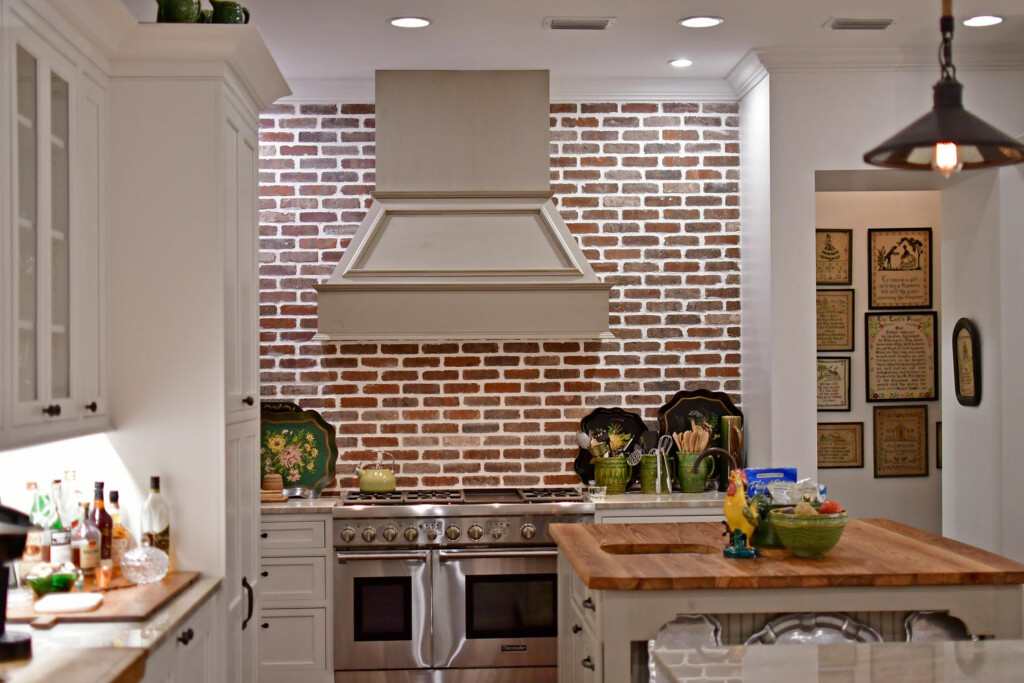
Timeless Design: A legacy home should focus on classic architecture and materials rather than trends. Natural stone and quality finishes, for instance, age gracefully – ensuring your home won’t look dated as styles evolve.
Multi-Generational Layouts: Legacy homes benefit from flexible floor plans. Features like dual master suites or in-law quarters allow the home to accommodate changing family needs over time.
Energy Efficiency and Durability: Because this home is meant to last, it’s worth investing in high-quality construction, energy-efficient systems, and low-maintenance materials. This may include solar panels, impact windows, smart home integration, and long-lasting roofing.
Personalization with Purpose: Legacy builders often choose custom features like libraries or wine cellars that are tailored to family traditions and hobbies. These spaces may not boost resale, but they add immense personal value.
Location with Emotional Value: Many legacy homes are built on land that has special meaning—whether it’s near family, tied to family history, or simply a place that feels like “home.”
Building for Resale: Focused on Future Market Appeal
For those who plan to enjoy their custom home for a limited time before selling, the focus shifts to broad appeal and return on investment.
Market Trends & Buyer Preferences: Builders in this category should lean into what’s hot—open floor plans, spa-like bathrooms, and designer kitchens. Neutral color palettes, clean lines, and smart home features are especially attractive to today’s buyers.
Smart Spending:It’s easy to over-personalize a custom home, which can hurt resale value. But highly niche or custom features may not resonate with future buyers. Instead, high-impact upgrades in kitchens and bathrooms are likely to represent the best ROI.
Location, Location, Location: If resale is the goal, choose a neighborhood or community with strong market growth and easy access to amenities. These factors significantly influence how quickly—and profitably—you can sell.
Flexible Spaces: Design rooms with versatility in mind. A home office could also be a guest bedroom. A bonus room could be a gym, media room, or playroom. Flexibility appeals to more buyers.
Consider the Exit Timeline: If you plan to sell within 5–10 years, think about how your home will stack up against new builds at that time. Choose materials and layouts that will still feel fresh and desirable.
Resale of Family Home: Bruce Williams Homes Can Help
There’s no “right” reason to build a custom home—just the right approach for your goals. Whether you’re building a legacy home to serve generations of your family or a resale-focused home to enjoy now and profit from later, the key is clarity from the start.
At Bruce Williams Homes, we have over 60 years of experience building beautifully functional homes. If you are considering a custom home build in Sarasota or Manatee County, give us a call. We have the expertise and reputation you are looking for.
When it comes to building a custom home, people usually fall into one of two camps: those building a legacy home, meant to be passed down and enjoyed by future generations – and those building with resale in mind, planning to enjoy the home for a season before eventually selling. While both groups may start with the same excitement and vision, their goals ultimately shape very different decisions—from floor plans to finishes and even location. Understanding your long-term objective early in the process is key to making smart design choices and maximizing your investment.
This article will explore the core differences between the two motivations – and what you should consider depending on what your goals are.
Building a Legacy Home: Designed to Last
Legacy homes are built with heart and heritage in mind. They’re often meant to host multiple generations and become the backdrop for years—if not decades—of memories.
Timeless Design: A legacy home should focus on classic architecture and materials rather than trends. Natural stone and quality finishes, for instance, age gracefully – ensuring your home won’t look dated as styles evolve.
Multi-Generational Layouts: Legacy homes benefit from flexible floor plans. Features like dual master suites or in-law quarters allow the home to accommodate changing family needs over time.
Energy Efficiency and Durability: Because this home is meant to last, it’s worth investing in high-quality construction, energy-efficient systems, and low-maintenance materials. This may include solar panels, impact windows, smart home integration, and long-lasting roofing.
Personalization with Purpose: Legacy builders often choose custom features like libraries or wine cellars that are tailored to family traditions and hobbies. These spaces may not boost resale, but they add immense personal value.
Location with Emotional Value: Many legacy homes are built on land that has special meaning—whether it’s near family, tied to family history, or simply a place that feels like “home.”
Building for Resale: Focused on Future Market Appeal
For those who plan to enjoy their custom home for a limited time before selling, the focus shifts to broad appeal and return on investment.
Market Trends & Buyer Preferences: Builders in this category should lean into what’s hot—open floor plans, spa-like bathrooms, and designer kitchens. Neutral color palettes, clean lines, and smart home features are especially attractive to today’s buyers.
Smart Spending:It’s easy to over-personalize a custom home, which can hurt resale value. But highly niche or custom features may not resonate with future buyers. Instead, high-impact upgrades in kitchens and bathrooms are likely to represent the best ROI.
Location, Location, Location: If resale is the goal, choose a neighborhood or community with strong market growth and easy access to amenities. These factors significantly influence how quickly—and profitably—you can sell.
Flexible Spaces: Design rooms with versatility in mind. A home office could also be a guest bedroom. A bonus room could be a gym, media room, or playroom. Flexibility appeals to more buyers.
Consider the Exit Timeline: If you plan to sell within 5–10 years, think about how your home will stack up against new builds at that time. Choose materials and layouts that will still feel fresh and desirable.
Resale of Family Home: Bruce Williams Homes Can Help
There’s no “right” reason to build a custom home—just the right approach for your goals. Whether you’re building a legacy home to serve generations of your family or a resale-focused home to enjoy now and profit from later, the key is clarity from the start.
At Bruce Williams Homes, we have over 60 years of experience building beautifully functional homes. If you are considering a custom home build in Sarasota or Manatee County, give us a call. We have the expertise and reputation you are looking for.