If you’re building a new home in Florida, chances are a backyard pool has crossed your mind. But not everyone is ready to “dive in” right away. Some homeowners delay installing a pool due to budget constraints, safety concerns with young children, or simply to see if the community pool or nearby beach receives sufficient use. The good news? Even if you’re not ready to build a pool now, you can plan ahead to make a future installation much easier—and less disruptive. Here’s how to prep your Florida backyard now so your future pool project is smoother (and potentially more affordable).
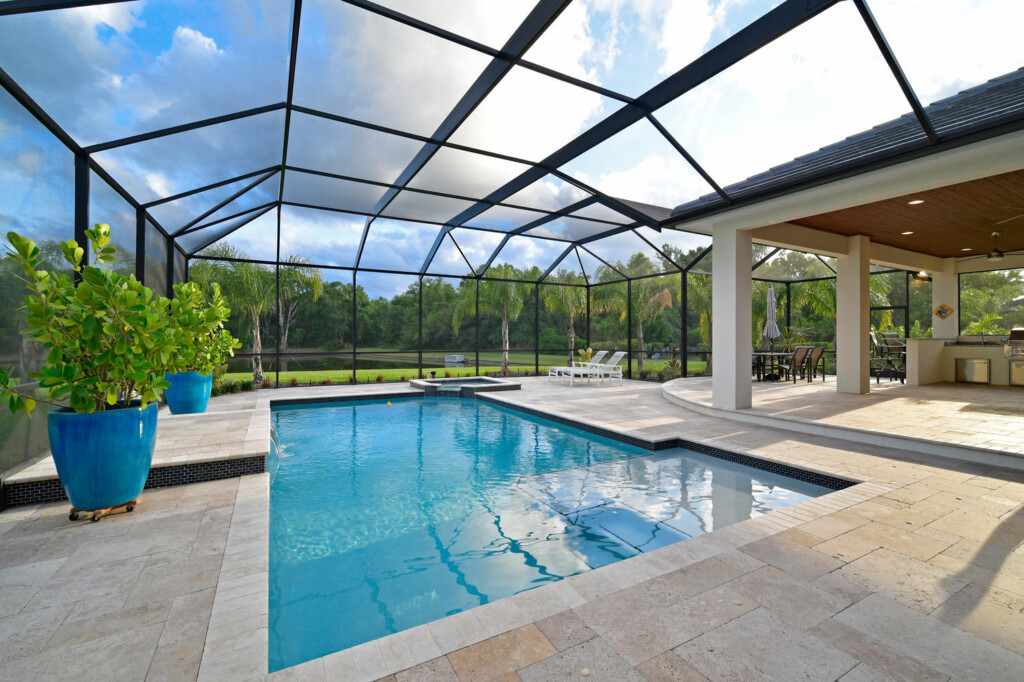
Reserve the Space: This might seem obvious, but it’s easy to forget: Don’t plant, build, or install anything in your future pool zone. When designing your backyard, ensure that you leave a large, open area for the pool to be located. That means:
- No trees or large shrubs (they’ll need to be removed later)
- No underground irrigation or lighting systems
- No pavers, patios, or pergolas
- No septic systems or drain fields nearby
Even if you don’t have exact pool plans yet, your builder or landscape designer can help you “block off” a zone that stays pool-ready.
Built-in Equipment Access: Here’s a detail many homeowners overlook: Pool construction requires big equipment. If your backyard is fully fenced with a narrow gate, excavation crews may struggle to get in—and you could end up with extra costs for crane rentals or even temporary fence and landscape removal. Solution? Install a 10- to 12-foot-wide gate (or a removable section of fence) on the side of the yard where the pool will go. Even if the pool isn’t coming for a few years, that wide access will save you serious headaches later.
Pre-Install Electrical and Plumbing Lines (If Possible): While building the house, consider asking your contractor to rough in some infrastructure for the pool—even if you’re not installing it immediately. This might include:
- Conduit for future pool lighting
- Electrical wiring for a pump or heater
- A water line for an auto-fill feature
- Extra power in your outdoor panel
Doing this now (while the walls are open and the yard’s unfinished) is way cheaper than adding it later when everything is complete.
Plan for Drainage: Pools need proper drainage to prevent water issues or flooding around your home. If your lot has any slope—or if your backyard needs a retaining wall—this should be factored in now. Discuss with your builder the grading of the yard with a future pool in mind. It’ll be much easier to tweak the slope or install a drain now than later when the landscaping is already done.
Know the Rules: If you live in an HOA community (or an area with strict building codes), research the rules for pools early. You don’t need to apply for a permit just yet, but it’s helpful to know:
- Pool setbacks (how far it must be from your house or fence)
- Whether a screen enclosure is required
- What kind of fencing you need
- Noise or lighting restrictions
Bruce Williams Has the Answers You Need
Delaying your future pool installation doesn’t mean you’re stuck with a more complex project later—if you take a few simple steps now. By preserving the space and thinking ahead, you’ll save yourself future stress and possibly thousands of dollars.
If you’re considering building in Florida, the team at Bruce Williams Homes would love to hear from you. With over 60 years of experience on the Gulf Coast, our reputation and presence in the community are unmatched.
If you’re building a new home in Florida, chances are a backyard pool has crossed your mind. But not everyone is ready to “dive in” right away. Some homeowners delay installing a pool due to budget constraints, safety concerns with young children, or simply to see if the community pool or nearby beach receives sufficient use. The good news? Even if you’re not ready to build a pool now, you can plan ahead to make a future installation much easier—and less disruptive. Here’s how to prep your Florida backyard now so your future pool project is smoother (and potentially more affordable).
Reserve the Space: This might seem obvious, but it’s easy to forget: Don’t plant, build, or install anything in your future pool zone. When designing your backyard, ensure that you leave a large, open area for the pool to be located. That means:
- No trees or large shrubs (they’ll need to be removed later)
- No underground irrigation or lighting systems
- No pavers, patios, or pergolas
- No septic systems or drain fields nearby
Even if you don’t have exact pool plans yet, your builder or landscape designer can help you “block off” a zone that stays pool-ready.
Built-in Equipment Access: Here’s a detail many homeowners overlook: Pool construction requires big equipment. If your backyard is fully fenced with a narrow gate, excavation crews may struggle to get in—and you could end up with extra costs for crane rentals or even temporary fence and landscape removal. Solution? Install a 10- to 12-foot-wide gate (or a removable section of fence) on the side of the yard where the pool will go. Even if the pool isn’t coming for a few years, that wide access will save you serious headaches later.
Pre-Install Electrical and Plumbing Lines (If Possible): While building the house, consider asking your contractor to rough in some infrastructure for the pool—even if you’re not installing it immediately. This might include:
- Conduit for future pool lighting
- Electrical wiring for a pump or heater
- A water line for an auto-fill feature
- Extra power in your outdoor panel
Doing this now (while the walls are open and the yard’s unfinished) is way cheaper than adding it later when everything is complete.
Plan for Drainage: Pools need proper drainage to prevent water issues or flooding around your home. If your lot has any slope—or if your backyard needs a retaining wall—this should be factored in now. Discuss with your builder the grading of the yard with a future pool in mind. It’ll be much easier to tweak the slope or install a drain now than later when the landscaping is already done.
Know the Rules: If you live in an HOA community (or an area with strict building codes), research the rules for pools early. You don’t need to apply for a permit just yet, but it’s helpful to know:
- Pool setbacks (how far it must be from your house or fence)
- Whether a screen enclosure is required
- What kind of fencing you need
- Noise or lighting restrictions
Bruce Williams Has the Answers You Need
Delaying your future pool installation doesn’t mean you’re stuck with a more complex project later—if you take a few simple steps now. By preserving the space and thinking ahead, you’ll save yourself future stress and possibly thousands of dollars.
If you’re considering building in Florida, the team at Bruce Williams Homes would love to hear from you. With over 60 years of experience on the Gulf Coast, our reputation and presence in the community are unmatched.