
When building a custom home, you’re not just designing a house—you’re creating a space that fits your family’s needs, both now and in the future. If you have an aging parent, grandparent, or senior loved one living with you—or planning to join you—it’s wise to design a room that supports independence and safety for the long term. Even if your loved one is fully mobile today, planning ahead for potential mobility issues ensures they can age in place with dignity, and that your home remains a welcoming, functional space for everyone. Here’s how to thoughtfully design a senior-friendly bedroom and bathroom from the ground up.
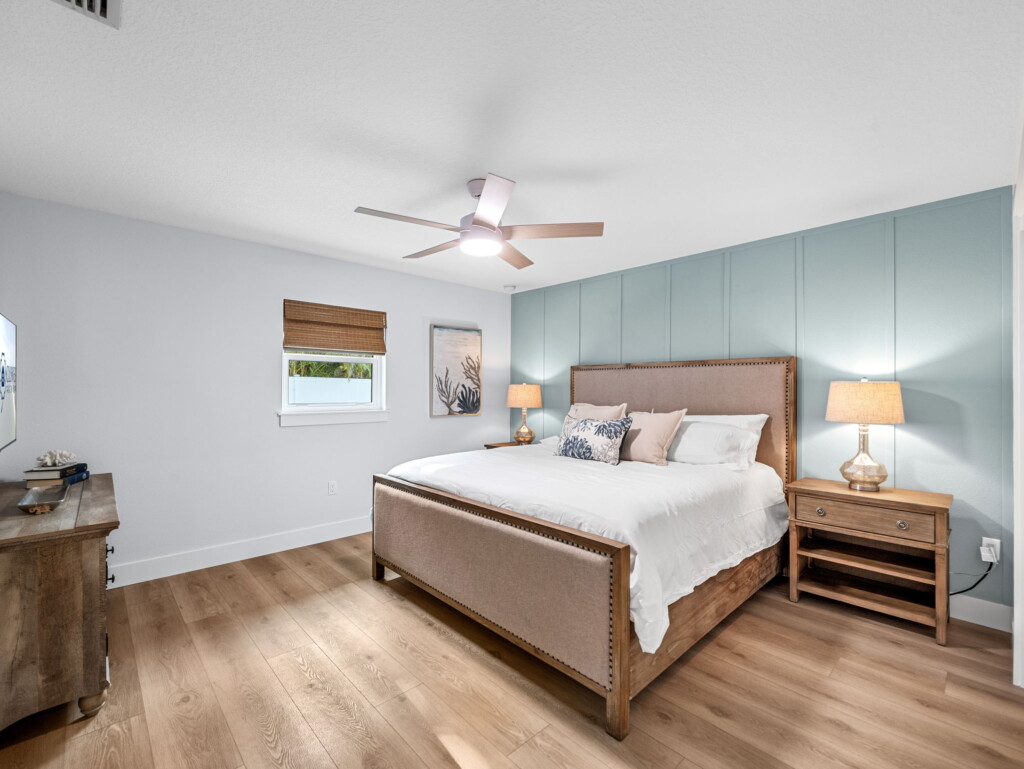
- Choose the Right Location: Start with the location of the room. Ideally, the senior suite should be on the ground floor, eliminating the need to navigate stairs. It should also be close to the kitchen, living areas, and ideally have easy access to an exterior door in case of emergency. If your floor plan doesn’t allow for a first-floor suite, consider installing a residential elevator or a chair lift on the stairs. This may seem like a significant investment – but it’s much easier to include these features during construction than to retrofit them later.
- Design with Accessibility in Mind: The bedroom itself should be spacious, with at least 36 inches of clearance around the bed and between furniture for wheelchair or walker access. Avoid cluttered layouts, tight corners, and thick rugs or carpets that could cause trips or make it difficult to roll mobility aids. Other helpful features include:
- Lever-style door handles (easier to operate than knobs)
- Wide doorways (36 inches minimum)
- Low or zero-threshold flooring transitions
- Smart lighting controls accessible from bed height
- Prioritize Safety in the Bathroom: An adjoining private bathroom is ideal and should be fully accessible. Think universal design—this doesn’t make the bathroom look medical, just safe and easy to use for people of all ages and abilities.
Key features should include:- Walk-in shower with no threshold and a wide entrance
- Built-in bench or fold-down seat
- Grab bars (installed or blocking built into the walls for future installation)
- Handheld showerhead
- Non-slip tile flooring
- Raised toilet with room for grab bars on either side
- Lower vanity with knee clearance for wheelchair use
If space allows, consider installing a curbless wet room design that combines the shower and bathroom floor into one continuous surface.
- Plan for Lighting and Visibility: As we age, vision often declines. Bright lighting helps reduce falls and improves comfort. You may like to incorporate ambient lighting (overhead fixtures), task lighting (near beds, reading chairs, or vanities), and night lights or motion-activated floor lighting for nighttime trips to the bathroom.
- Think Beyond the Basics: A room designed for aging in place should also feel warm, personal, and connected—not isolated. Include large windows for natural light, a view of the yard or garden, and access to technology like video calling to stay in touch with friends and family. Add shelves for books and photos, a favorite chair for reading, and perhaps a desk or hobby station.
Designing a room for a senior loved one creates a space that honors their independence and supports their quality of life. By thinking ahead during the custom home design process, you can ensure that your home grows with your family and remains a place of comfort and care for generations to come.
Bruce Williams Homes is a trusted member of the Manatee County business community. With over 60 years’ experience building custom homes, we have the inspiration and ideas you need to create the home you’ve always envisioned.
When building a custom home, you’re not just designing a house—you’re creating a space that fits your family’s needs, both now and in the future. If you have an aging parent, grandparent, or senior loved one living with you—or planning to join you—it’s wise to design a room that supports independence and safety for the long term. Even if your loved one is fully mobile today, planning ahead for potential mobility issues ensures they can age in place with dignity, and that your home remains a welcoming, functional space for everyone. Here’s how to thoughtfully design a senior-friendly bedroom and bathroom from the ground up.
- Choose the Right Location: Start with the location of the room. Ideally, the senior suite should be on the ground floor, eliminating the need to navigate stairs. It should also be close to the kitchen, living areas, and ideally have easy access to an exterior door in case of emergency. If your floor plan doesn’t allow for a first-floor suite, consider installing a residential elevator or a chair lift on the stairs. This may seem like a significant investment – but it’s much easier to include these features during construction than to retrofit them later.
- Design with Accessibility in Mind: The bedroom itself should be spacious, with at least 36 inches of clearance around the bed and between furniture for wheelchair or walker access. Avoid cluttered layouts, tight corners, and thick rugs or carpets that could cause trips or make it difficult to roll mobility aids. Other helpful features include:
- Lever-style door handles (easier to operate than knobs)
- Wide doorways (36 inches minimum)
- Low or zero-threshold flooring transitions
- Smart lighting controls accessible from bed height
- Prioritize Safety in the Bathroom: An adjoining private bathroom is ideal and should be fully accessible. Think universal design—this doesn’t make the bathroom look medical, just safe and easy to use for people of all ages and abilities.
Key features should include:- Walk-in shower with no threshold and a wide entrance
- Built-in bench or fold-down seat
- Grab bars (installed or blocking built into the walls for future installation)
- Handheld showerhead
- Non-slip tile flooring
- Raised toilet with room for grab bars on either side
- Lower vanity with knee clearance for wheelchair use
If space allows, consider installing a curbless wet room design that combines the shower and bathroom floor into one continuous surface.
- Plan for Lighting and Visibility: As we age, vision often declines. Bright lighting helps reduce falls and improves comfort. You may like to incorporate ambient lighting (overhead fixtures), task lighting (near beds, reading chairs, or vanities), and night lights or motion-activated floor lighting for nighttime trips to the bathroom.
- Think Beyond the Basics: A room designed for aging in place should also feel warm, personal, and connected—not isolated. Include large windows for natural light, a view of the yard or garden, and access to technology like video calling to stay in touch with friends and family. Add shelves for books and photos, a favorite chair for reading, and perhaps a desk or hobby station.
Designing a room for a senior loved one creates a space that honors their independence and supports their quality of life. By thinking ahead during the custom home design process, you can ensure that your home grows with your family and remains a place of comfort and care for generations to come.
Bruce Williams Homes is a trusted member of the Manatee County business community. With over 60 years’ experience building custom homes, we have the inspiration and ideas you need to create the home you’ve always envisioned.