In 2025, multi-generational homes are experiencing a surge in popularity for a variety of reasons – including rising housing costs and the need for convenient childcare/eldercare. These flexible homes allow families to share expenses and pool resources. Flexible work-from-home careers and aging-in-place trends have also made it easier (and more appealing) for multiple generations to live together.
Beyond financial benefits, many families value the emotional connection and strengthened relationships that come from living under one roof. This article will discuss the trends and motivations behind this movement.
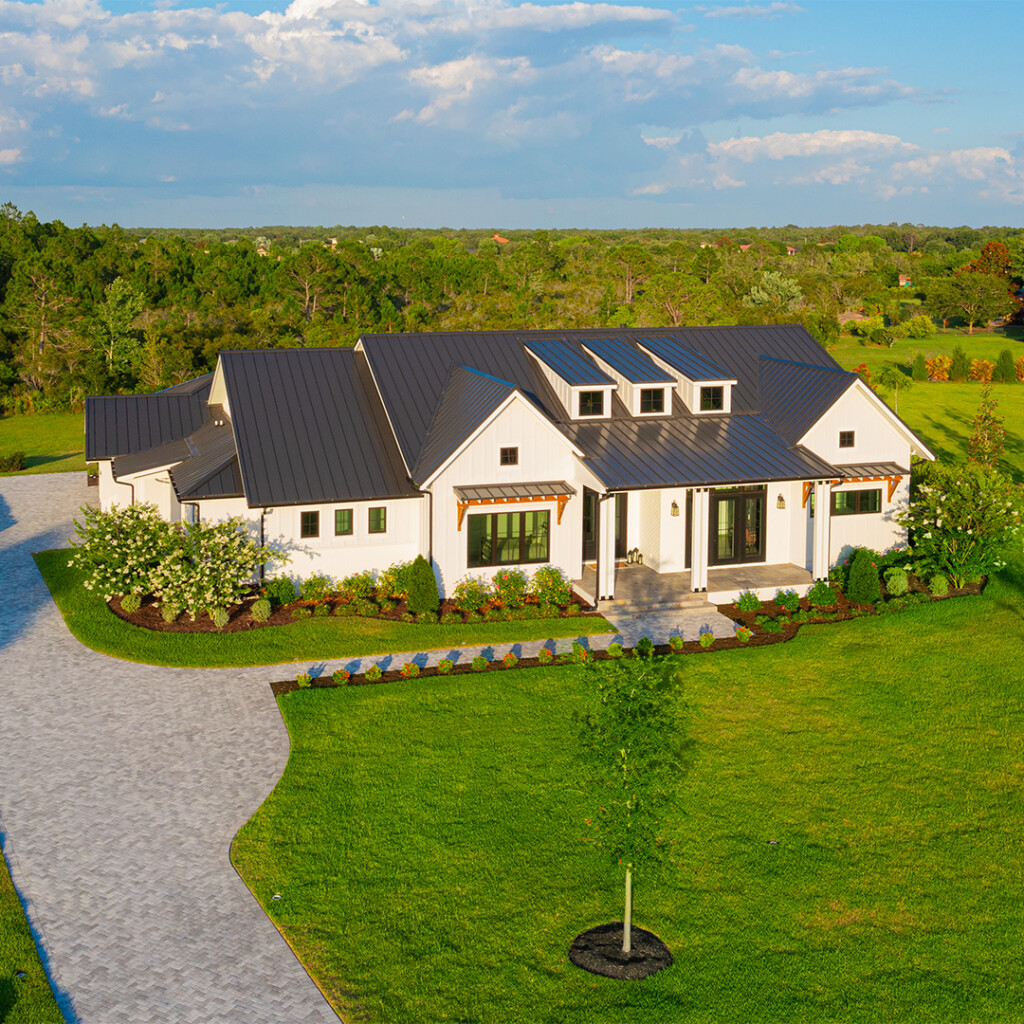
In recent years, multigenerational properties have become a viable housing choice, driven primarily by increasing housing costs and changing family dynamics. In fact, last year a remarkable 17% of homebuyers purchased multi-generational properties—the highest share captured since tracking began. Along Florida’s Gulf Coast, master-planned communities like continue to lead the trend, offering options that appeal across age groups and family structures.
Why the Gulf Coast Is Prime for Multigenerational Living
The Gulf Coast lifestyle—with its coastal charm and amenity-rich master-planned neighborhoods—is perfectly suited to extended families amd multigenerational living. Lakewood Ranch, for example, has been named America’s top-selling multi-generational community for seven consecutive years, drawing families with its excellent schools, accessible healthcare, attractive neighborhood design, and proximity to the beach.
Add in the rise of remote and hybrid work—about 35% of professionals now work outside the traditional office—demand for homes with flexible layouts in vibrant communities continues to grow. The remarkable adoption of homeschooling in Florida is also driving the need for more space and more support.
Designing for Every Generation
Separate Private Living Zones: Homes with independent living quarters—such as ADUs or guest suites—provide grandparents or adult children with a sense of autonomy without sacrificing family connection.
Flexible, Adaptive Layouts: Multipurpose spaces—such as dens that convert into bedrooms—can evolve with changing family needs. Custom homes that anticipate accessibility needs ensure the home supports the family as life changes.
Accessibility and Aging-in-Place Features: Incorporate aging-friendly elements from the start: zero-step entries, lever handles, slip-resistant floors, and open layouts. These thoughtful choices blend safety with comfort and discreetly support long-term livability.
Shared and Private Spaces in Balance: Homes with communal hubs such as large kitchens and shared outdoor spaces will encourage family interaction. When quiet retreats for work or solitude are also designed into the floorplan, the home can foster togetherness without sacrificing individual space.
Smart Home Integration: Integrate smart lighting, temperature control, security, and medical alert systems to meet the needs of all ages, from tech-savvy kids to older adults who benefit from emergency support features.
Build Within Amenity-Rich Communities: Although not for everyone, many multi-generational families find that neighborhoods offering resort-style amenities—pools, fitness centers, walking trails, and social clubs—create social opportunities across generations and enrich daily life for everyone.
Climate and Resilience Matter
Building along the Gulf Coast means factoring in hurricane resistance, flood zones, and insurance challenges. Opt for fortified construction—impact-resistant windows, raised foundations, robust drainage—and familiar master-planned communities that prioritize climate resilience
These measures help protect the physical home and ensure safe, long-term use for all generations.
Designing for Multigenerational Living—and the Future
In 2025, multi-generational living is becoming more practical – and intentional. Families are choosing homes that offer financial relief, emotional support, and long-term adaptability. The Gulf Coast – with its vibrant communities, expanding remote workforce, and growing demand for modern, flexible design – is an ideal setting for such homes.
Custom homebuilders who embrace flexible layouts can meet the needs of today’s extended families while building homes that age gracefully into the future. The team at Bruce Williams Homes invites you to work with us to design not just a house—but a multi-generational home that truly fits your family’s evolving lifestyle.
In 2025, multi-generational homes are experiencing a surge in popularity for a variety of reasons – including rising housing costs and the need for convenient childcare/eldercare. These flexible homes allow families to share expenses and pool resources. Flexible work-from-home careers and aging-in-place trends have also made it easier (and more appealing) for multiple generations to live together.
Beyond financial benefits, many families value the emotional connection and strengthened relationships that come from living under one roof. This article will discuss the trends and motivations behind this movement.
In recent years, multigenerational properties have become a viable housing choice, driven primarily by increasing housing costs and changing family dynamics. In fact, last year a remarkable 17% of homebuyers purchased multi-generational properties—the highest share captured since tracking began. Along Florida’s Gulf Coast, master-planned communities like continue to lead the trend, offering options that appeal across age groups and family structures.
Why the Gulf Coast Is Prime for Multigenerational Living
The Gulf Coast lifestyle—with its coastal charm and amenity-rich master-planned neighborhoods—is perfectly suited to extended families amd multigenerational living. Lakewood Ranch, for example, has been named America’s top-selling multi-generational community for seven consecutive years, drawing families with its excellent schools, accessible healthcare, attractive neighborhood design, and proximity to the beach.
Add in the rise of remote and hybrid work—about 35% of professionals now work outside the traditional office—demand for homes with flexible layouts in vibrant communities continues to grow. The remarkable adoption of homeschooling in Florida is also driving the need for more space and more support.
Designing for Every Generation
Separate Private Living Zones: Homes with independent living quarters—such as ADUs or guest suites—provide grandparents or adult children with a sense of autonomy without sacrificing family connection.
Flexible, Adaptive Layouts: Multipurpose spaces—such as dens that convert into bedrooms—can evolve with changing family needs. Custom homes that anticipate accessibility needs ensure the home supports the family as life changes.
Accessibility and Aging-in-Place Features: Incorporate aging-friendly elements from the start: zero-step entries, lever handles, slip-resistant floors, and open layouts. These thoughtful choices blend safety with comfort and discreetly support long-term livability.
Shared and Private Spaces in Balance: Homes with communal hubs such as large kitchens and shared outdoor spaces will encourage family interaction. When quiet retreats for work or solitude are also designed into the floorplan, the home can foster togetherness without sacrificing individual space.
Smart Home Integration: Integrate smart lighting, temperature control, security, and medical alert systems to meet the needs of all ages, from tech-savvy kids to older adults who benefit from emergency support features.
Build Within Amenity-Rich Communities: Although not for everyone, many multi-generational families find that neighborhoods offering resort-style amenities—pools, fitness centers, walking trails, and social clubs—create social opportunities across generations and enrich daily life for everyone.
Climate and Resilience Matter
Building along the Gulf Coast means factoring in hurricane resistance, flood zones, and insurance challenges. Opt for fortified construction—impact-resistant windows, raised foundations, robust drainage—and familiar master-planned communities that prioritize climate resilience
These measures help protect the physical home and ensure safe, long-term use for all generations.
Designing for Multigenerational Living—and the Future
In 2025, multi-generational living is becoming more practical – and intentional. Families are choosing homes that offer financial relief, emotional support, and long-term adaptability. The Gulf Coast – with its vibrant communities, expanding remote workforce, and growing demand for modern, flexible design – is an ideal setting for such homes.
Custom homebuilders who embrace flexible layouts can meet the needs of today’s extended families while building homes that age gracefully into the future. The team at Bruce Williams Homes invites you to work with us to design not just a house—but a multi-generational home that truly fits your family’s evolving lifestyle.