
Building a custom home in a historic Gulf Coast neighborhood is a unique opportunity to blend modern living with the charm and character of a culturally rich setting. Historic neighborhoods often feature beautiful architecture in deep-rooted communities with mature, tree-lined streets – and it is easy to see why newcomers would love to move in. However, constructing a new home in such an area requires a sensitivity to local history and close collaboration with design professionals to preserve the legacy of the area.
Here’s what you need to consider to ensure that your new home respects the past while embracing the future.
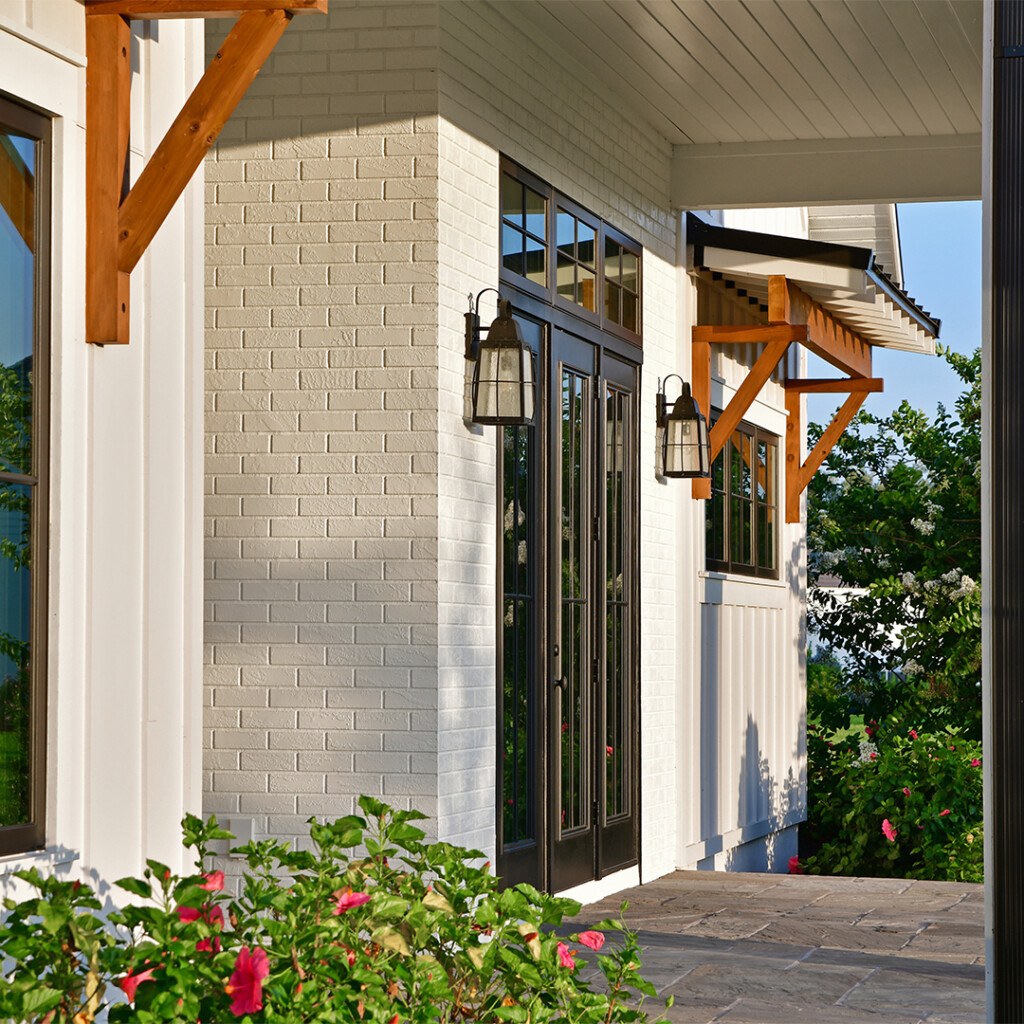
Understand Local Historic Preservation Guidelines
Before breaking ground, familiarize yourself with the neighborhood’s historic designation and the rules that come with it. Many Gulf Coast communities— like those in Sarasota, for instance — have historic preservation boards or architectural review committees. These entities often regulate items such as:
- Architectural styles and exterior materials
- Roof shapes and window types
- Paint colors and trim details
- Fence height and landscaping
- Demolition or alteration of existing structures
Failure to comply with these guidelines can result in delays, fines, or the requirement to redo completed work. That is why prospective homeowners need to work closely with their builder to ensure the design meets local requirements from the start.
Choose a Builder with Experience Constructing Homes in Historic Neighborhoods
Designing a home that fits seamlessly into a historic neighborhood requires a thoughtful, experienced design team. The goal is to create a structure that respects the surrounding architectural language without feeling like a replica or a modern outlier. A well-designed home will not only gain approval more easily but will also enhance the neighborhood’s aesthetic and long-term property value.
A builder familiar with historic neighborhoods and districts will consider:
- Proportions and scale that match nearby homes
- Rooflines and porches that echo local vernacular
- Traditional materials (like wood siding, metal roofs, or brick)
- Window placement and style consistent with the era
Respect the Streetscape and Neighborhood Character
In historic neighborhoods, the visual rhythm of the street is often as important as the individual homes. Builders will pay close attention to:
- Setbacks: Build in line with neighboring homes to maintain uniform street appeal.
- Lot orientation: Preserve views, breezes, and natural light patterns common to the area.
- Mature trees: Protect established trees whenever possible—they add value, beauty, and environmental benefits.
- Front porches: In many Gulf Coast towns, porches are a defining feature that fosters community interaction. Including one may not only be required—it could help you feel more connected to your neighbors.
Honoring the Spirit of Historic Neighborhoods
Beyond architectural style and regulation, your builder will need to consider the intangible qualities that define the neighborhood. Historic Gulf Coast communities often possess strong cultural identities, shaped by unique local traditions and a deep generational sense of place. Before building a new home, take the time to explore the neighborhood. Talk to residents and walk the streets.
Building a new custom home in a historic Gulf Coast neighborhood is a balancing act between modern needs and historical integrity. By respecting the area’s architectural traditions and designing with environmental resilience in mind, you can create a home that honors the past while embracing the present.
If you are ready to discuss your new custom home build, call the team at Bruce Williams Homes. With six decades of local homebuilding experience, we are the team to trust. We know Manatee and Sarasota Counties – we live here, work here and build here. Call today to learn more about how to get started on your new home, and be sure to browse our portfolio to view our latest projects.
Building a custom home in a historic Gulf Coast neighborhood is a unique opportunity to blend modern living with the charm and character of a culturally rich setting. Historic neighborhoods often feature beautiful architecture in deep-rooted communities with mature, tree-lined streets – and it is easy to see why newcomers would love to move in. However, constructing a new home in such an area requires a sensitivity to local history and close collaboration with design professionals to preserve the legacy of the area.
Here’s what you need to consider to ensure that your new home respects the past while embracing the future.
Understand Local Historic Preservation Guidelines
Before breaking ground, familiarize yourself with the neighborhood’s historic designation and the rules that come with it. Many Gulf Coast communities— like those in Sarasota, for instance — have historic preservation boards or architectural review committees. These entities often regulate items such as:
- Architectural styles and exterior materials
- Roof shapes and window types
- Paint colors and trim details
- Fence height and landscaping
- Demolition or alteration of existing structures
Failure to comply with these guidelines can result in delays, fines, or the requirement to redo completed work. That is why prospective homeowners need to work closely with their builder to ensure the design meets local requirements from the start.
Choose a Builder with Experience Constructing Homes in Historic Neighborhoods
Designing a home that fits seamlessly into a historic neighborhood requires a thoughtful, experienced design team. The goal is to create a structure that respects the surrounding architectural language without feeling like a replica or a modern outlier. A well-designed home will not only gain approval more easily but will also enhance the neighborhood’s aesthetic and long-term property value.
A builder familiar with historic neighborhoods and districts will consider:
- Proportions and scale that match nearby homes
- Rooflines and porches that echo local vernacular
- Traditional materials (like wood siding, metal roofs, or brick)
- Window placement and style consistent with the era
Respect the Streetscape and Neighborhood Character
In historic neighborhoods, the visual rhythm of the street is often as important as the individual homes. Builders will pay close attention to:
- Setbacks: Build in line with neighboring homes to maintain uniform street appeal.
- Lot orientation: Preserve views, breezes, and natural light patterns common to the area.
- Mature trees: Protect established trees whenever possible—they add value, beauty, and environmental benefits.
- Front porches: In many Gulf Coast towns, porches are a defining feature that fosters community interaction. Including one may not only be required—it could help you feel more connected to your neighbors.
Honoring the Spirit of Historic Neighborhoods
Beyond architectural style and regulation, your builder will need to consider the intangible qualities that define the neighborhood. Historic Gulf Coast communities often possess strong cultural identities, shaped by unique local traditions and a deep generational sense of place. Before building a new home, take the time to explore the neighborhood. Talk to residents and walk the streets.
Building a new custom home in a historic Gulf Coast neighborhood is a balancing act between modern needs and historical integrity. By respecting the area’s architectural traditions and designing with environmental resilience in mind, you can create a home that honors the past while embracing the present.
If you are ready to discuss your new custom home build, call the team at Bruce Williams Homes. With six decades of local homebuilding experience, we are the team to trust. We know Manatee and Sarasota Counties – we live here, work here and build here. Call today to learn more about how to get started on your new home, and be sure to browse our portfolio to view our latest projects.