Building a custom home along Florida’s Gulf Coast offers views – and lifestyles – unlike anywhere else. However, waterfront and near-coastal construction is subject to important regulations designed to protect both homeowners and the shoreline. One of the most influential of these regulations is the coastal setback. Understanding how coastal setbacks affect custom home design is essential for anyone planning to build near the Gulf.
A coastal setback is a required distance between a structure and the shoreline. On Florida’s Gulf Coast, setbacks are established to reduce the risk of storm damage, erosion, and flooding – while also preserving dunes and natural beach habitats. These setback lines are typically determined by local governments and are influenced by factors such as erosion, storm surge data, and FEMA flood maps.
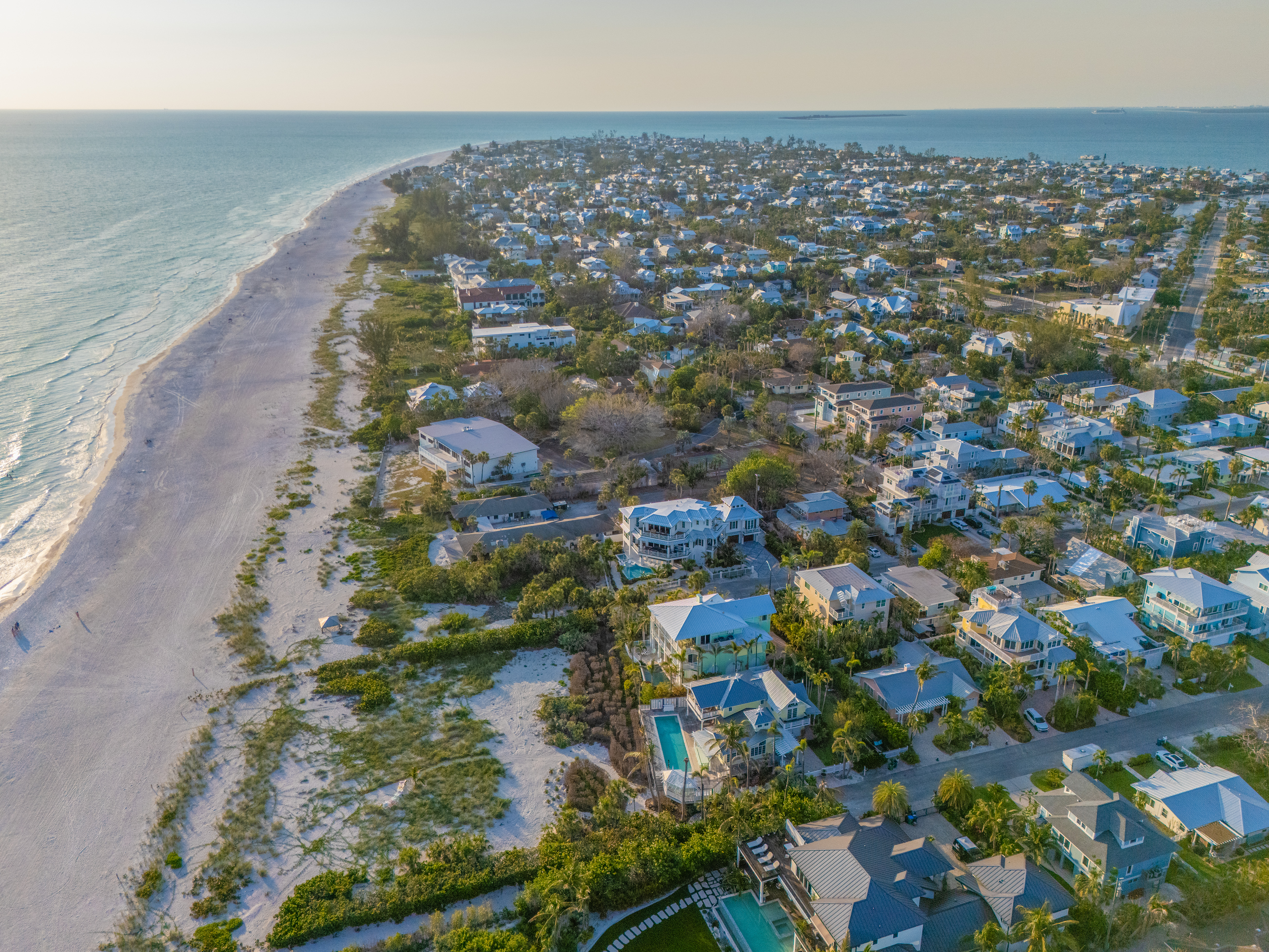
- Home Placement: Coastal setbacks directly influence where a home can be placed on a lot. Even on larger parcels, setback requirements may limit how close a structure can be built to the water. This often results in deeper building envelopes and requires strategic site planning from the very beginning of the design process. Experienced builders and designers work closely with surveyors and coastal engineers to determine buildable areas before architectural plans are finalized. Because setbacks can reduce the available footprint, vertical design becomes an important strategy. Many Gulf Coast custom homes are designed with multiple stories to maximize square footage while staying within setback limits. Elevated living spaces not only comply with regulations but also improve views, increase airflow, and provide added protection from storm surge and flooding.
- Innovative Use of Outdoor Space: Outdoor living areas are also influenced by coastal setbacks. The coastal restrictions often necessitate creative outdoor layouts – such as elevated decks, rooftop terraces, and interior courtyards that preserve outdoor enjoyment without encroaching on protected zones. These solutions allow homeowners to maintain a strong connection to the coast while respecting environmental boundaries.
- Architectural and Landscaping: Raised foundations, pilings, and open ground-level areas help reduce resistance to storm surge and wave action. These features are not only practical but have become defining elements of coastal Florida architecture. Setbacks also influence landscaping choices. Native dune vegetation and natural buffers are often required or encouraged near the shoreline. These plants help stabilize sand, reduce erosion, and protect the property during storms. Thoughtful landscape design can enhance privacy, improve aesthetics, and blend the home seamlessly into its coastal surroundings.
- Permitting: Coastal setbacks add an extra layer of review to the building process. Plans may need approval from local zoning departments, coastal construction control lines, and environmental agencies. While this process can feel complex, it ultimately ensures that homes are built responsibly and sustainably. Working with a custom home builder experienced in Gulf Coast regulations can streamline approvals and prevent costly delays.
Coastal Setbacks are Ultimately for Homeowner Benefit
Coastal setbacks are not meant to limit creativity or impose on the homeowner’s rights. To the contrary, designing within these parameters yields better elevation strategies and more resilient homes over time. Custom homes that respect setback requirements are better positioned to withstand storms and retain long-term value – not to mention help to protect and preserve the beaches for generations to come.
Bruce Williams Homes has over 60 years of experience building beautiful (and resilient) homes along Florida’s Gulf Coast. If you are considering a waterfront home in Sarasota or Manatee County, we welcome your call. In the meantime, we welcome you to browse out portfolio of recent custom home builds.
Disclaimer: Coastal construction regulations, setback requirements, and building codes are subject to change and may vary by location. The information provided here is general in nature and reflects guidelines in effect at the time of writing. For the most current requirements and site-specific guidance, please consult directly with a licensed custom home builder and local regulatory authorities.
Building a custom home along Florida’s Gulf Coast offers views – and lifestyles – unlike anywhere else. However, waterfront and near-coastal construction is subject to important regulations designed to protect both homeowners and the shoreline. One of the most influential of these regulations is the coastal setback. Understanding how coastal setbacks affect custom home design is essential for anyone planning to build near the Gulf.
A coastal setback is a required distance between a structure and the shoreline. On Florida’s Gulf Coast, setbacks are established to reduce the risk of storm damage, erosion, and flooding – while also preserving dunes and natural beach habitats. These setback lines are typically determined by local governments and are influenced by factors such as erosion, storm surge data, and FEMA flood maps.
- Home Placement: Coastal setbacks directly influence where a home can be placed on a lot. Even on larger parcels, setback requirements may limit how close a structure can be built to the water. This often results in deeper building envelopes and requires strategic site planning from the very beginning of the design process. Experienced builders and designers work closely with surveyors and coastal engineers to determine buildable areas before architectural plans are finalized. Because setbacks can reduce the available footprint, vertical design becomes an important strategy. Many Gulf Coast custom homes are designed with multiple stories to maximize square footage while staying within setback limits. Elevated living spaces not only comply with regulations but also improve views, increase airflow, and provide added protection from storm surge and flooding.
- Innovative Use of Outdoor Space: Outdoor living areas are also influenced by coastal setbacks. The coastal restrictions often necessitate creative outdoor layouts – such as elevated decks, rooftop terraces, and interior courtyards that preserve outdoor enjoyment without encroaching on protected zones. These solutions allow homeowners to maintain a strong connection to the coast while respecting environmental boundaries.
- Architectural and Landscaping: Raised foundations, pilings, and open ground-level areas help reduce resistance to storm surge and wave action. These features are not only practical but have become defining elements of coastal Florida architecture. Setbacks also influence landscaping choices. Native dune vegetation and natural buffers are often required or encouraged near the shoreline. These plants help stabilize sand, reduce erosion, and protect the property during storms. Thoughtful landscape design can enhance privacy, improve aesthetics, and blend the home seamlessly into its coastal surroundings.
- Permitting: Coastal setbacks add an extra layer of review to the building process. Plans may need approval from local zoning departments, coastal construction control lines, and environmental agencies. While this process can feel complex, it ultimately ensures that homes are built responsibly and sustainably. Working with a custom home builder experienced in Gulf Coast regulations can streamline approvals and prevent costly delays.
Coastal Setbacks are Ultimately for Homeowner Benefit
Coastal setbacks are not meant to limit creativity or impose on the homeowner’s rights. To the contrary, designing within these parameters yields better elevation strategies and more resilient homes over time. Custom homes that respect setback requirements are better positioned to withstand storms and retain long-term value – not to mention help to protect and preserve the beaches for generations to come.
Bruce Williams Homes has over 60 years of experience building beautiful (and resilient) homes along Florida’s Gulf Coast. If you are considering a waterfront home in Sarasota or Manatee County, we welcome your call. In the meantime, we welcome you to browse out portfolio of recent custom home builds.
Disclaimer: Coastal construction regulations, setback requirements, and building codes are subject to change and may vary by location. The information provided here is general in nature and reflects guidelines in effect at the time of writing. For the most current requirements and site-specific guidance, please consult directly with a licensed custom home builder and local regulatory authorities.